The news just dropped: Adani has divested its final 7% stake in Adani Wilmar (AWL) via a block trade. Now, you might be thinking, “Okay, another business transaction. So what?” But here’s the thing – this seemingly simple Adani stake sale actually signals a much bigger story about market confidence, strategic financial moves, and the ever-evolving landscape of Indian conglomerates. Let’s dive deeper, shall we?
Decoding the Adani Wilmar Divestment | Why Now?
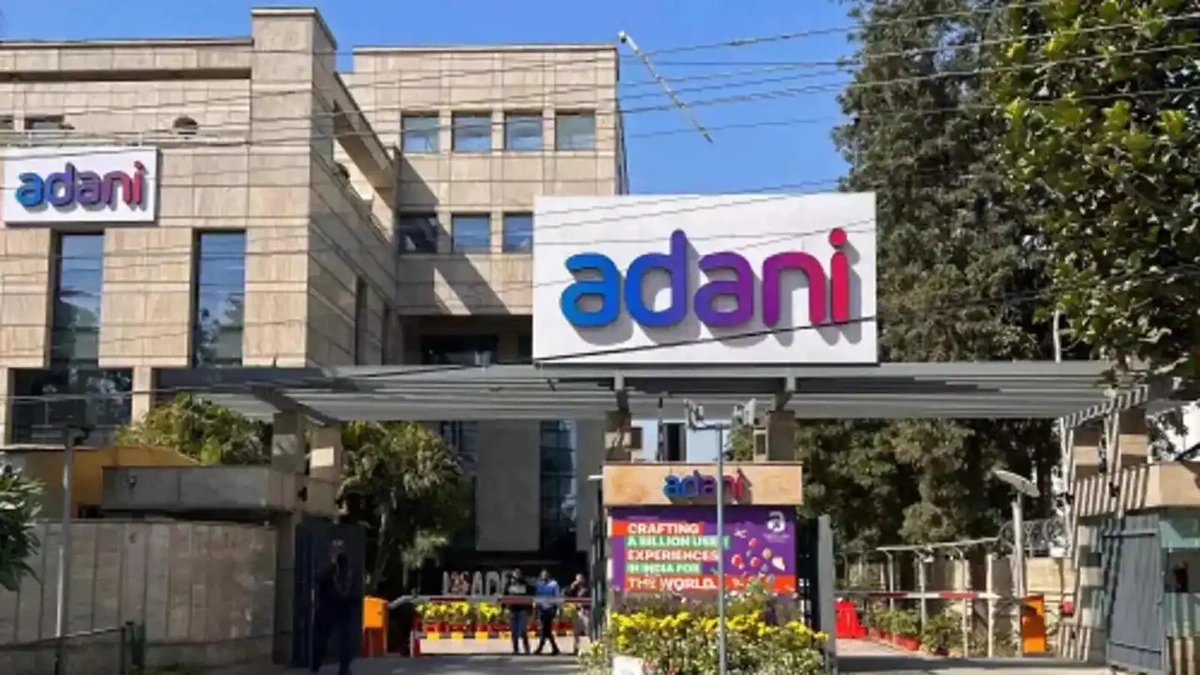
The million-dollar question, isn’t it? Why would Adani choose this moment to offload its remaining shares in AWL? I initially thought it was purely about profit-taking, but then I realized there’s likely a more strategic play at work. The group has been on a deleveraging spree, and this move could be aimed at further reducing debt and strengthening its financial position. But, and this is a big but, it also speaks volumes about Adani’s shifting priorities. Are they refocusing on core infrastructure projects? Are they seeing better growth opportunities elsewhere? According to reports, this move is part of a larger strategy to consolidate and streamline their investments. This is also tied with how the stock market and investor sentiment reacted to US Fed rate cut decisions.
What Does This Mean for Adani Wilmar?
Now, let’s flip the coin. What does this divestment mean for Adani Wilmar? In the short term, we might see some volatility in the stock price. Large block trades often create temporary price fluctuations. However, the long-term implications are more interesting. With Adani stepping back, AWL has the opportunity to forge its own path, attract new investors, and potentially diversify its business strategies. What fascinates me is how AWL will leverage this new-found independence. Will they double down on existing product lines? Or will they venture into new, unexplored territories? We’ll have to wait and see. The company might consider expanding its FMCG sector presence, which can improve its prospects.
The Broader Market Impact | Investor Confidence and Sentiment
Here’s where things get really interesting. This Adani stake sale isn’t just about one company; it’s about the broader market sentiment. The Adani Group has been under intense scrutiny for the past year, and every move they make is closely watched by investors and analysts alike. This divestment could be interpreted in several ways. On one hand, it could be seen as a sign of strength – a demonstration of the group’s ability to raise capital and manage its finances effectively. On the other hand, it could raise concerns about the group’s long-term commitment to its consumer-facing businesses. The truth, as always, likely lies somewhere in between. What’s undeniable is that this transaction will have a ripple effect across the Indian stock market, influencing investor perceptions and potentially impacting other major players. Keep an eye out on stock market trends for a broader picture.
A Deep Dive Into Block Trades | Understanding the Mechanism
Okay, let’s take a step back and talk about block trades. What exactly is a block trade, and why is it significant? A block trade is essentially a large-volume transaction of stocks that is executed outside of the open market. These trades are typically negotiated privately between the buyer and seller and are often used to facilitate the sale of large stakes in a company. The advantage of a block trade is that it allows the seller to offload a significant number of shares without causing a major disruption to the market. However, block trades can also be opaque, and there’s always the risk of information asymmetry. It is crucial to understand the regulatory approvals required for such deals to gauge the transparency.
But, the divestment is strategically timed to coincide with AWL’s growth trajectory as they have been improving their edible oil market share , with increased consumer spending and changing market dynamics. The block deal also highlights the role of institutional investors in shaping investment decisions and the market capitalization of the stock in the long run.
Looking Ahead | What’s Next for Adani Group and AWL?
So, what does the future hold? For Adani Group, this divestment could pave the way for further strategic moves, including potential acquisitions, expansions, or even new ventures. They are clearly focused on deleveraging and strengthening their core businesses. For Adani Wilmar, the path ahead is less certain. They will need to demonstrate their ability to thrive independently and attract new investors. The company’s leadership will be under pressure to deliver strong results and maintain its competitive edge in the FMCG market. The investment landscape could change, but Adani would have to strategically position itself. Ultimately, the success of both Adani Group and Adani Wilmar will depend on their ability to adapt to the ever-changing market dynamics and navigate the challenges that lie ahead.
FAQ Section
Frequently Asked Questions
What exactly is a block trade?
A block trade involves a large volume of stocks traded privately, outside of the open market, to minimize market disruption.
Why did Adani divest its AWL stake?
Likely to reduce debt, strengthen its financial position, and refocus on core infrastructure projects.
What does this mean for Adani Wilmar (AWL)?
AWL has an opportunity to forge its own path, attract new investors, and diversify its business strategies.

How will this affect the Indian stock market?
It could influence investor perceptions and potentially impact other major players in the market.
Will this affect the price of Adani Wilmar stock?
In the short term, we might see some volatility in the stock price.
What is the FMCG sector?
FMCG stands for Fast Moving Consumer Goods and involves products like packaged foods, beverages, and toiletries.
Here’s the thing: this entire episode highlights a crucial lesson about the Indian market – it’s dynamic, unpredictable, and always full of surprises. The Adani group’s performance always keeps us on our toes. One thing that always holds true is that being informed is your best bet.
Disclaimer: ऊपर दिए गए विचार और सिफारिशें व्यक्तिगत विश्लेषकों या ब्रोकिंग कंपनियों की हैं, न कि "Finance Ghar" की। हम निवेशकों को सलाह देते हैं कि किसी भी निवेश निर्णय लेने से पहले प्रमाणित विशेषज्ञों से परामर्श करें। निवेश में जोखिम होता है और सही जानकारी के बिना निर्णय लेना हानिकारक हो सकता है।